Spring 2026 Lighting Design Trends Architects and Interior Designers Are Using

Lighting design trends for 2026 are shaping residential homes, commercial buildings, hospitality spaces, and office environments. If you are planning a new project or renovation, these are the lighting strategies professionals are incorporating right now that you can incorporate into your life today.
Layered Lighting Is Here
One of the most important lighting principles in modern design is layering. Relying on a single overhead fixture – although sometimes works – it often creates flat, harsh lighting that does not support the people in the space.
Instead, designers are combining multiple lighting types to create balance, flexibility, and visual interest in a new and different way.
Most layered lighting plans include these three primary elements:
Ambient lighting
This is the base level of illumination that fills the room. Think recessed lights, ceiling fixtures, or indirect cove lighting.
Task lighting
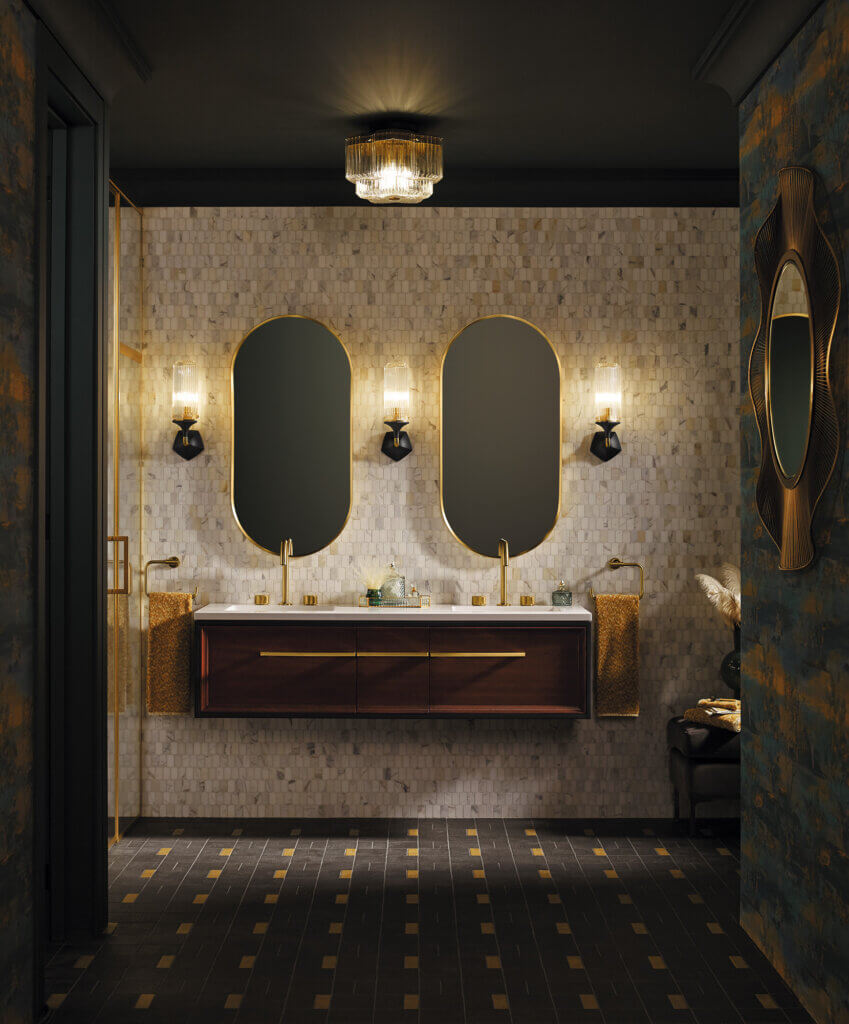
Task lighting is focused light used for specific activities. Such as under-cabinet lighting in kitchens, desk lamps in offices, and vanity lighting in bathrooms. These lights serve a purpose higher than just being able to see.
Accent lighting
Accent lighting highlights architectural features, artwork, shelving, or textured walls. Track lighting, wall washers, and LED strip lighting are simple ways to add to this layer.
By combining these layers, a space can easily transition from bright and functional during the day to soft and relaxed in the evening. Architects and designers increasingly treat lighting plans the same way they treat floor plans. Each layer supports how people interact with the environment and the feeling they want to give.
Warm Lighting is in
For years, cool white lighting has dominated commercial and residential projects. While it can make spaces appear bright and crisp, it often feels sterile or harsh in home environments.
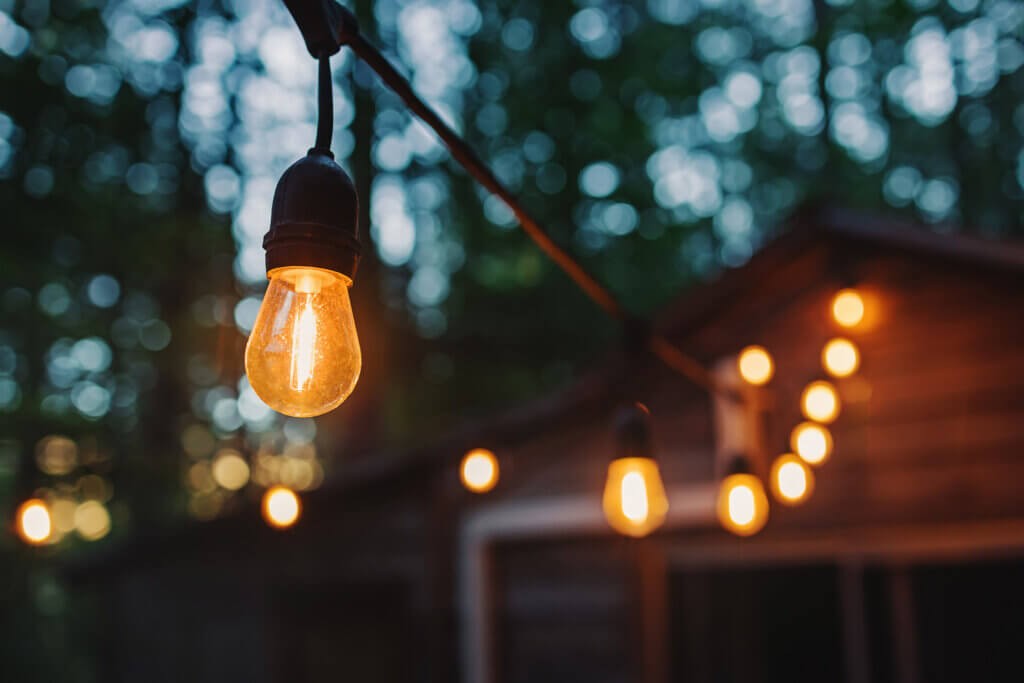
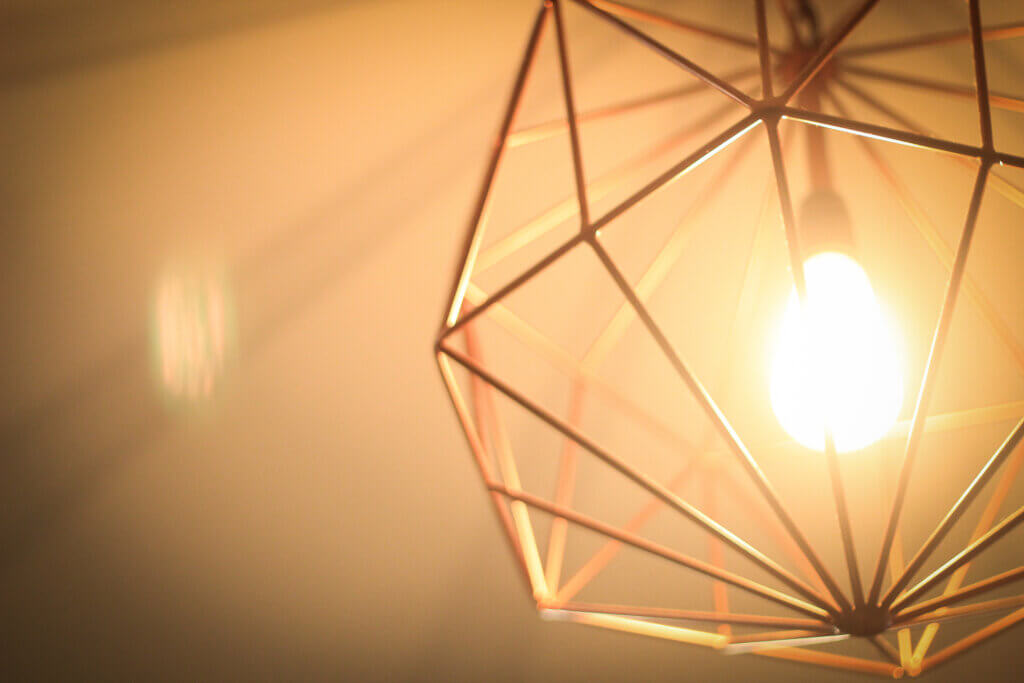
In 2026, designers are shifting toward warmer color temperatures that feel more natural and comfortable and homey. Most projects now use lighting within the 2700K to 3000K range, which produces a soft, warm glow similar to traditional incandescent lighting. This range works particularly well in spaces where comfort and relaxation matter. Such as bedrooms, living rooms, bathrooms, kitchens… really anywhere in your home that you want to feel relaxed – which tends to be the whole home.
Warm lighting also complements the natural materials that remain popular in interior design. Wood finishes, stone surfaces, plaster walls, and textured fabrics all appear richer and more inviting under warmer lighting conditions.
When not to use warm lighting:
While warm lighting works well in most areas of the home, there are situations where a slightly cooler temperature lighting is the better choice.
Some examples are garages, workshops, laundry rooms, and utility spaces typically function better with cooler lighting. The brighter white tone helps improve visibility for tasks like working with tools, organizing storage, or handling detailed projects.
Commercial environments such as medical offices, retail stores, and some office spaces may also use cooler lighting to create a cleaner, more alert atmosphere. In these settings, lighting is often designed to prioritize visibility and productivity rather than relaxation.
The key is balance. Many designers mix color temperatures throughout a project, using warm lighting in living areas and cooler lighting in task-heavy or functional spaces. This approach allows each room to support how it is actually used while still maintaining a cohesive lighting plan throughout the building.
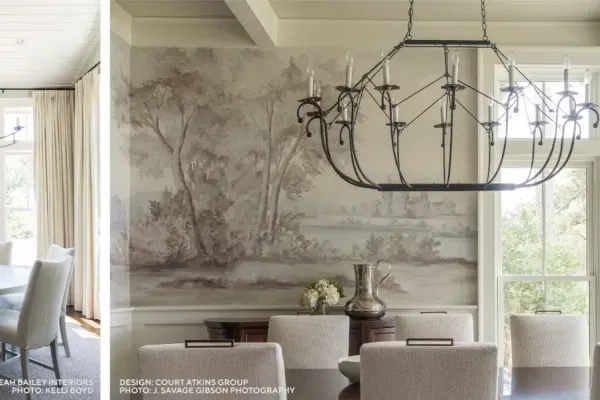
Sculptural Lighting Fixtures Are Becoming Design Focal Points
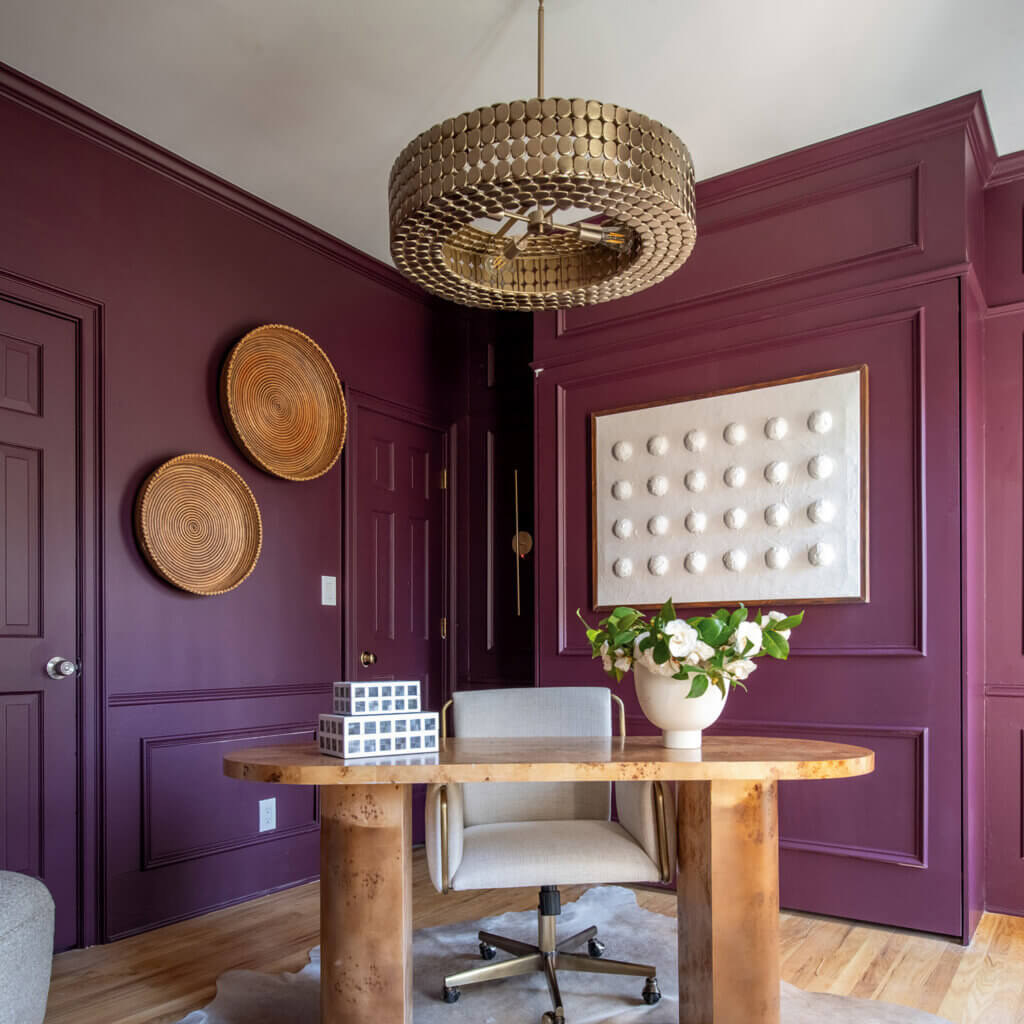
Lighting fixtures themselves are becoming more expressive. Instead of blending quietly into the background, many fixtures now serve as visual focal points within a room. Architects and Interior designers are selecting pieces that function almost like sculpture – with a purpose.
Several styles are especially popular this spring:
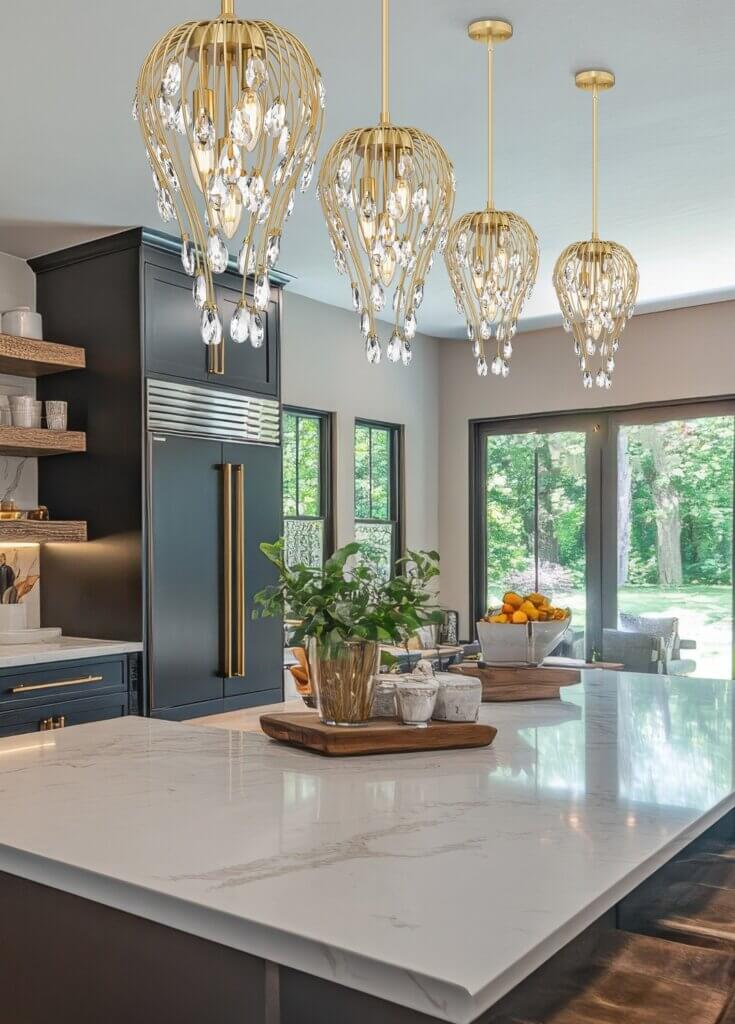
Oversized pendant lights
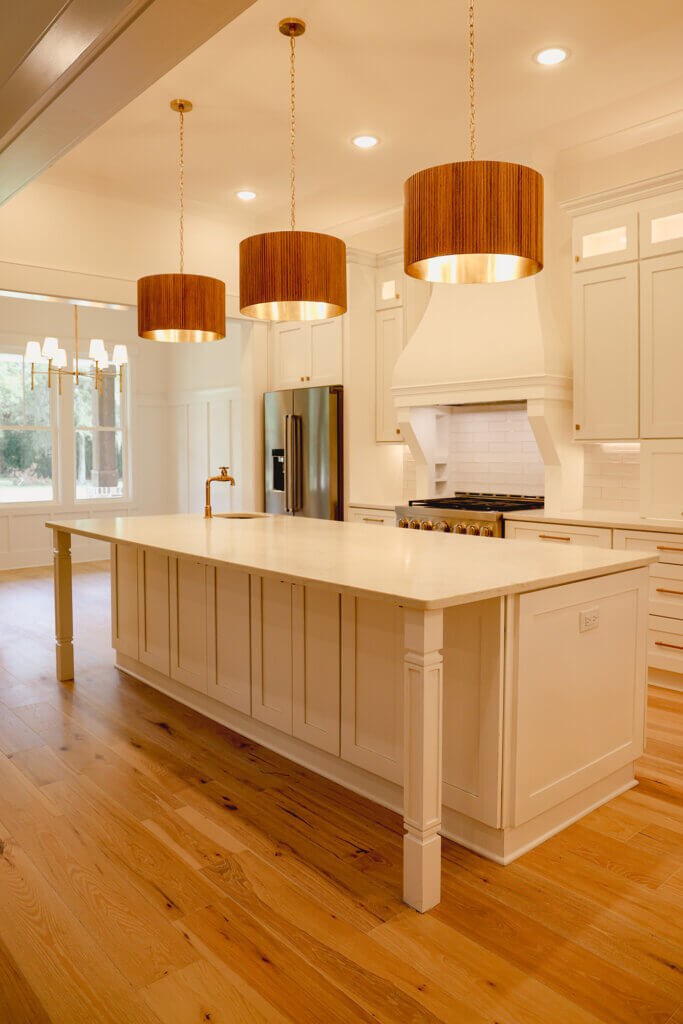
Large pendants above kitchen islands or dining tables create a dramatic centerpiece while providing practical task lighting.
Organic shapes
Curved forms and irregular shapes add softness to modern interiors that might otherwise feel too rigid.
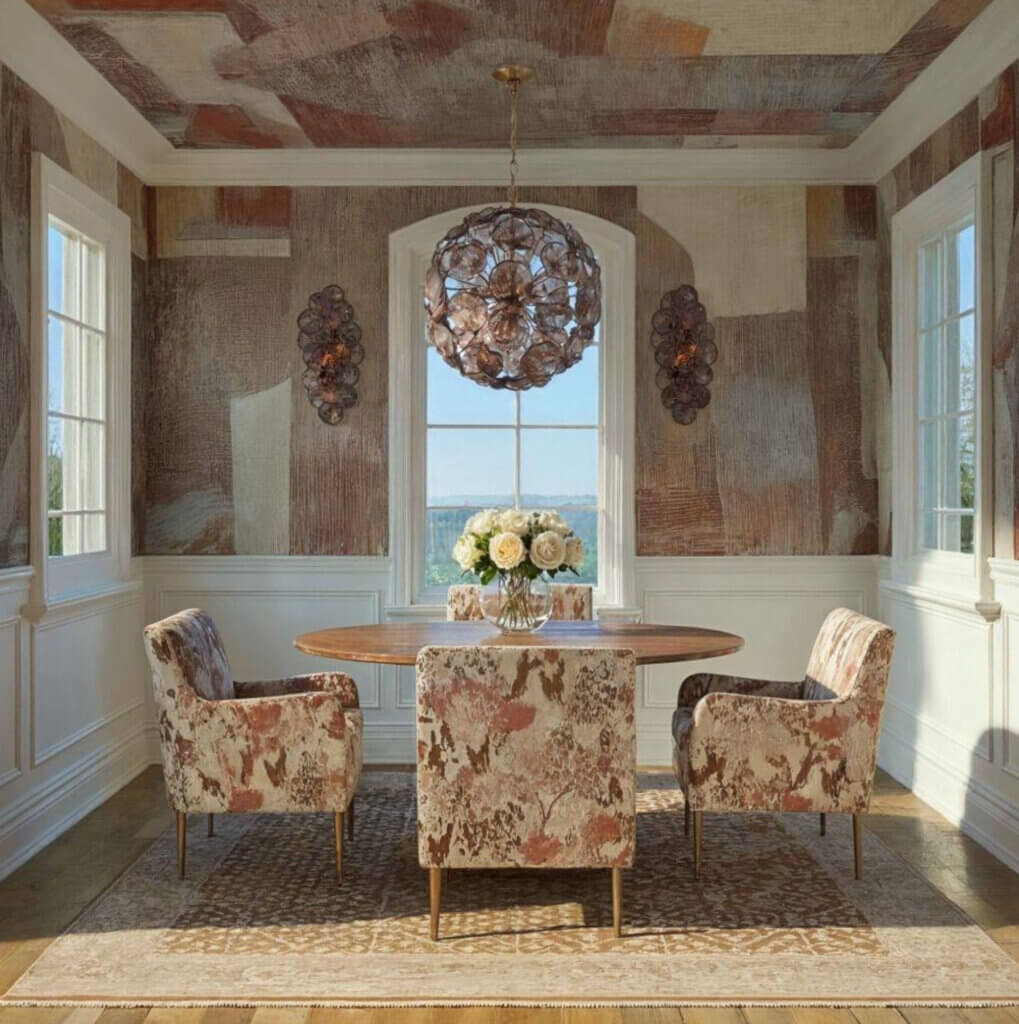
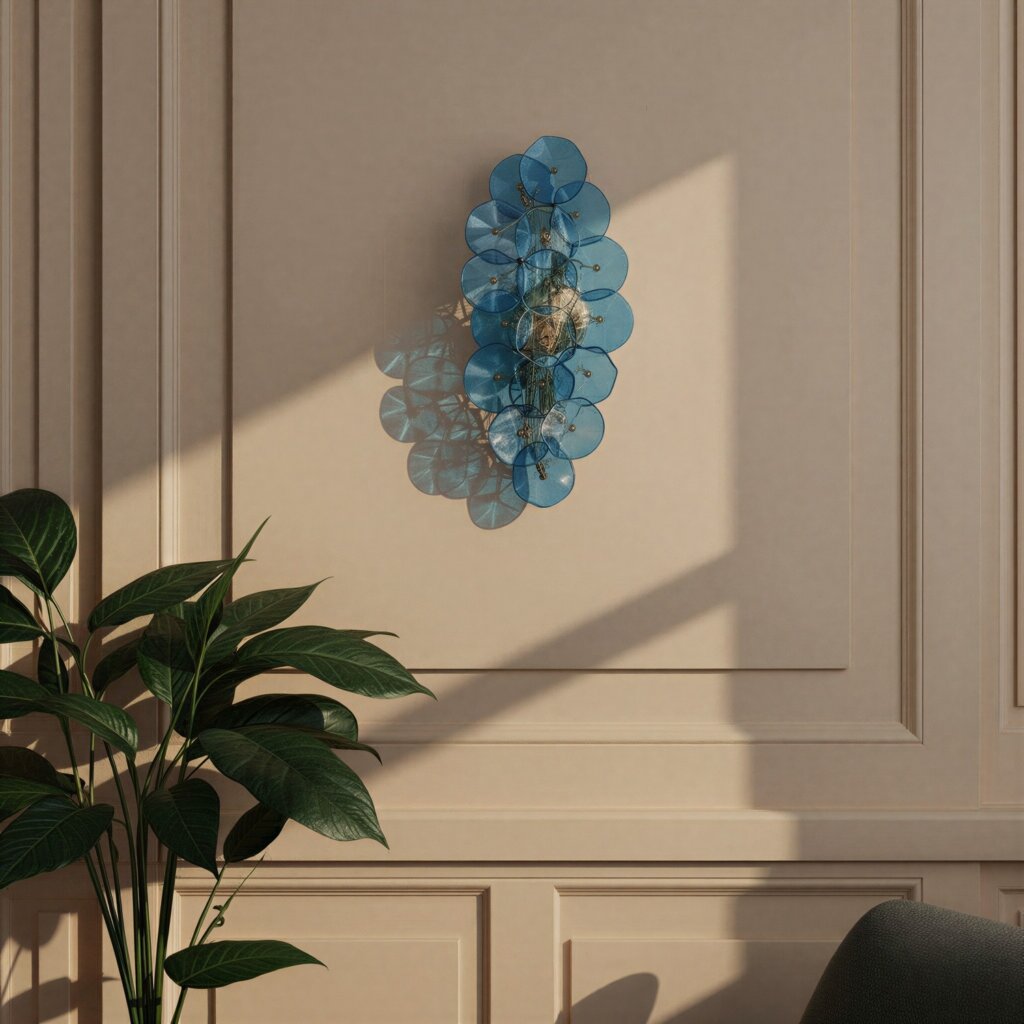
Hand-blown glass fixtures
Artisan glass lighting introduces texture and craftsmanship. Each piece often has slight variations that make it unique.
Mixed material chandeliers
Designers are combining metals, glass, wood, and stone within a single fixture to create layered visual interest.
These statement fixtures are frequently used in entryways, dining rooms, hotel lobbies, and open-concept living areas where they can immediately draw attention.
Integrated and Hidden Lighting Creates a Softer Atmosphere
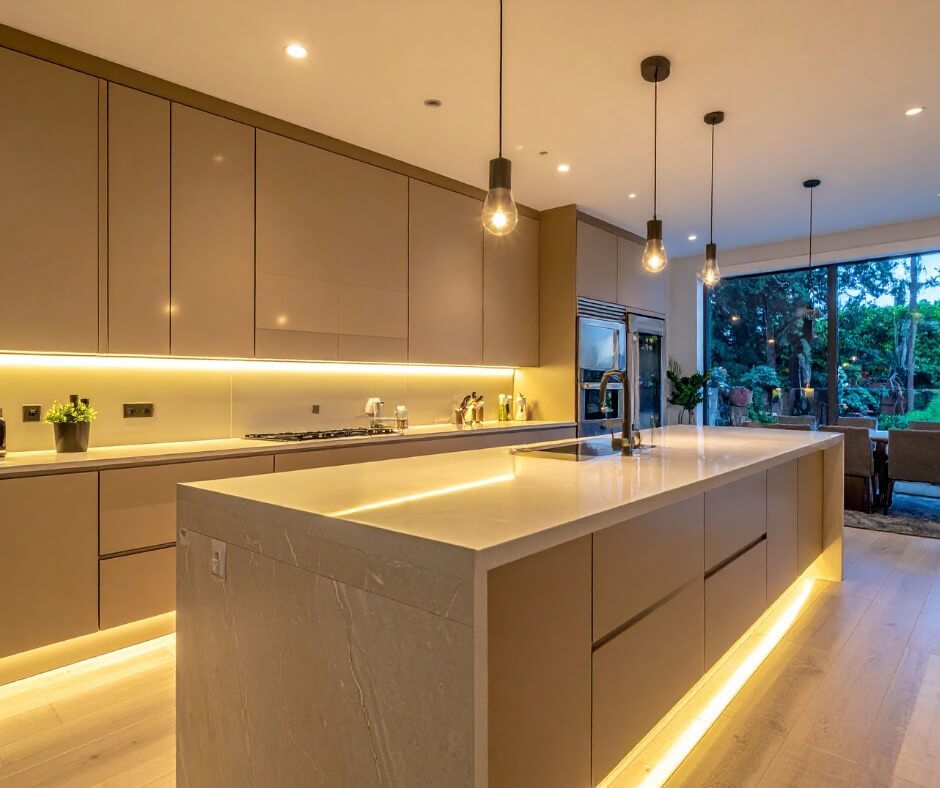
While statement fixtures are popular, architects are also incorporating lighting that is intentionally subtle. Integrated lighting hides the source of illumination so the light itself becomes the focus. This technique creates a calm, refined atmosphere that works well in both residential and commercial spaces.
Some common applications include:
Cove lighting in ceilings
LED strips installed within recessed ceiling details produce soft indirect light that spreads evenly across a room.
Under-cabinet lighting in kitchens
This improves visibility for food preparation while also adding a gentle glow that enhances countertops and backsplashes.
Floating shelves with integrated lighting
Shelves with concealed LED strips highlight decorative objects and create depth along walls.
Staircase and step lighting
Subtle lighting within stair treads or adjacent walls improves safety while adding a modern architectural element.
Hidden lighting is particularly effective in minimalist interiors where designers want clean lines and uncluttered surfaces.
Natural Inspiration and Biophilic Lighting Design
Biophilic design continues to influence architecture and interiors. This approach focuses on strengthening the connection between indoor environments and the natural world. Designers are incorporating lighting strategies that mimic natural daylight patterns and highlight organic materials.
Examples include:
Daylight-inspired lighting
Some systems gradually change color temperature throughout the day to mirror the natural rhythm of sunlight.
Natural materials in fixtures
Lighting made from wood, rattan, linen, or stone introduces warmth and texture.
Soft diffused lighting
Instead of harsh direct beams, many spaces use diffused lighting that feels more similar to natural light.
Outdoor Lighting Is Becoming an Extension of Interior Design
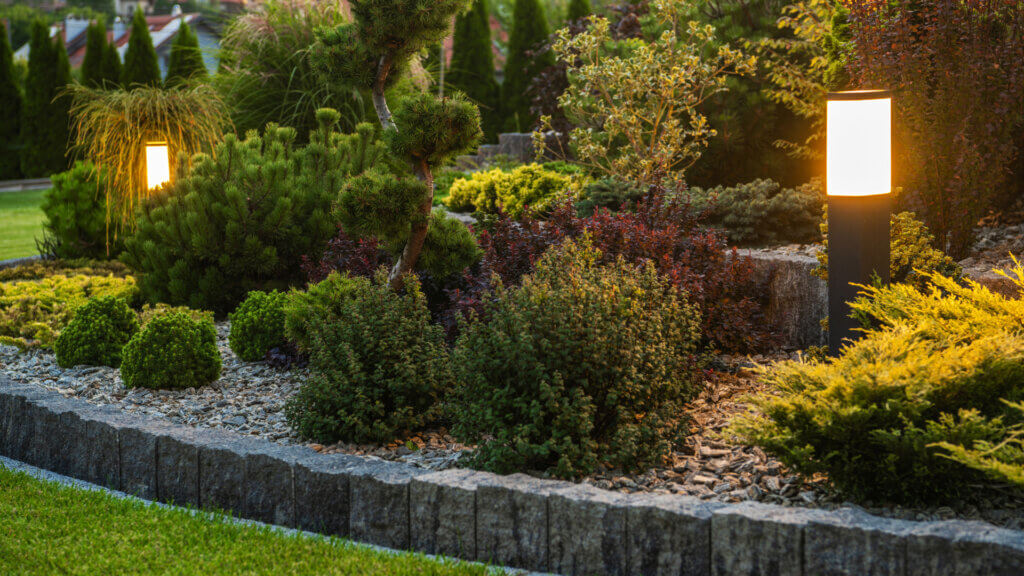
Another trend gaining traction in 2026 is the seamless integration of indoor and outdoor lighting. As patios, decks, and outdoor kitchens become more common, designers treat exterior lighting with the same attention as interior spaces.
Popular outdoor lighting features include:
- Pathway lighting that guides movement through landscaping
- Accent lighting for trees and architectural features
- String lights or decorative pendants for outdoor dining areas
- Step lighting for decks and stairways
By carefully planning outdoor lighting, designers can extend usable living space well into the evening while enhancing the property’s overall aesthetic.
Come see White Star Supplies’ products today in our show room.

Choosing the Right Lighting for Your Project
Lighting decisions influence both the visual impact and functionality of a space. The right lighting plan enhances architecture, highlights materials, and ensures people feel comfortable within the environment.
For architects, contractors, and interior designers, working with experienced lighting suppliers can simplify the process of selecting fixtures and systems that meet both design and performance goals.
At White Star Supply, we work closely with professionals across residential and commercial construction to provide reliable lighting solutions. From modern LED fixtures to architectural lighting systems, our team helps clients find products that support today’s design trends while meeting practical installation requirements.
Whether you are designing a new home, renovating a commercial space, or planning a large development project, the right lighting can elevate the entire design.